
Kyakulumbye Development Foundation Programmes
KDF operates in Mpigi and Gomba district. KDF got its offices in Bulo trading centre, Mpigi district. He organization has accomplished much ever since its initiation 17 years ago. KDF has been involved in interventions that are geared to improving the live hoods of the community guided by its mission, vision and underlying values in pursuit of sustainable solution to alleviate poverty among rural households and marginalized people of society in Uganda. t
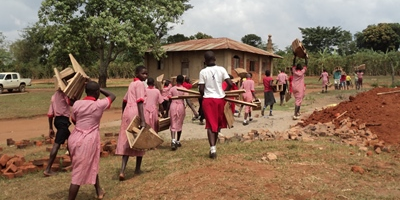
Violence Against Children Prevention Centers project
It is aimed at enabling marginalized girls access school, stay in school, complete their primary cycle and attain quality learning outcomes to improve their chances of a bright future. The project implementation is supported by a well-documented methodology called the Good School Toolkit- a six step process through which schools and communities progress towards creating violence-free and gender equitable learning environments.
.
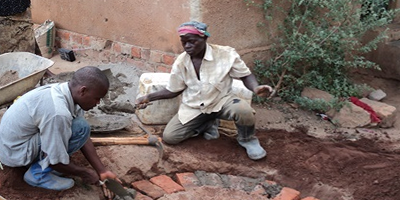
Poverty Eradication
KDF makes efforts to integrate community participation in the planning management, implementation and monitoring of programmes. The participation of community beneficiaries gives communities the ownership of the effective and sustainable programmes
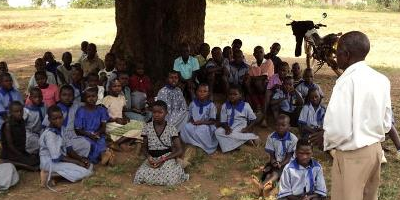
EDUCATE A CHILD SPONSORSHIP PROGRAM
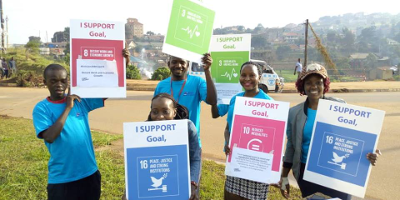
To keep children from underprivileged families in school and promote quality education, Joy for Children under the “Educate a Child Sponsorship Program” supports 150 children with school fees and scholastic materials. These children are identified through Kyakulubuye development Foundation direct engagements in slum areas of Kampala, wakiso and other areas of operation, from child headed families, under privileged homes and orphans.Our staff knows each of the sponsored children and meets them on a regular basis. The staff visits their schools to follow up on their performances and wellbeing. The sponsored children also benefit from our Children Activities Project where they are involved in play, singing, drawing and shading, Bible stories, holiday talks for the teenage children and relational ministries
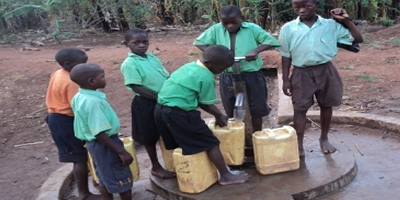
WATER, HYGIENE AND SANITATION PROJECT
, KDF implemented the clean water for schools and community managed and sanitation for schools projects funded by water can. The projects are aimed at improving the general health conditions of the communities through increased access to safe and clean water, effective hygienic and sanitary facilities, and community capacity building to maintain the facilities.The water tanks have contributed to the pupils increased time for school activities and less time to fetching water especially during the dry season.
hIV / aIDS AWARENESS
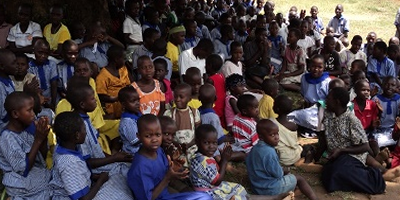
IKDF also supports the most disadvantaged groups which include women, persons with Disabilities, persons living with HIV/ AIDS, in addition to the youth and elderly. KDF has touched and continues to impact on many livelihoods of the rural households. In 2011, KDF reached out to 66,800 people through direct support of inputs, facilities and awareness raising and education
Supporting Children Opportunities through Protection and Empowerment
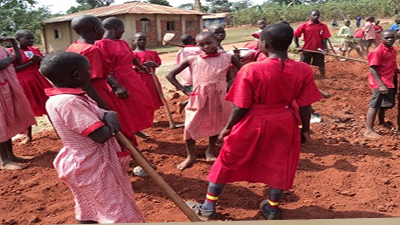
The Supporting Children Opportunities through Protection and Empowerment (SCOPE) is a World Bank-funded Project implemented by the Ministry of Gender, Labour, and Social Development (MGLSD) in collaboration with a host of other Service Providers. The project aims at enhancing response services and support violence prevention programs for child survivors and those at risk of sexual violence
Objectives of the project To enhance the provision of prevention and response services related to Sexual Violence Against Children (SVAC) in Kamwenge and Kabarole..
CHILDREN ACTIVITIES PROJECT
PROMOTE EDUCATION
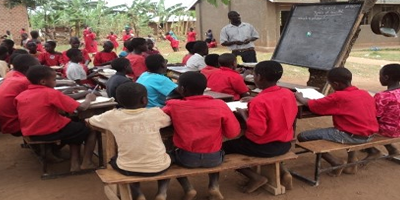
in 1997, the Government of Uganda introduced the Universal Primary Education program to provide free primary education. Enrollment increased from 3.1 million pupils in 1996 to 8.4 million in 2013. But this success is overshadowed by high dropout rates and poor-quality schooling. According to UNESCO (2012), 68% of children in Uganda are likely to drop out before finishing the primary cycle due to several challenges: gender inequalities, low motivation of teachers, child marriages, lack of awareness of the benefits of education among parents, and poverty as mandatory school fees remain a substantial challenge for most children.